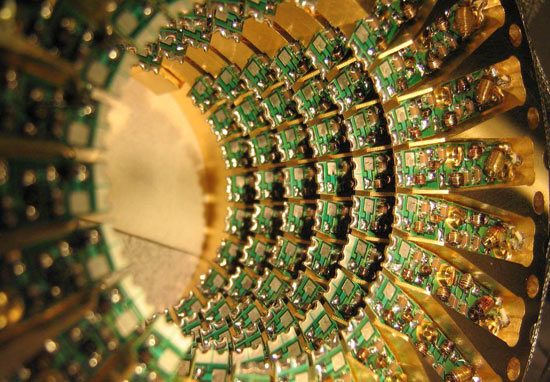
Plusieurs grandes entreprises (IBM, Microsoft, Google, etc.) s’intéressent au développement de l’ordinateur quantique. Si l'ordinateur quantique se développe, il disposera de capacités de calcul autrement plus élevées et considérables que les machines actuelles.
Lire la suite...
In the last few years we have heard much about the power of big data, which is allowing brands and organisations to offer more tailored, targeted and personalised products and services than ever before. The benefits of this to the consumer may be obvious, but raise many ethical questions, and not just when personal data is in the hands of unscrupulous businesses.
Lire la suite...
From SIRI to self-driving cars, artificial intelligence (AI) is progressing rapidly. While science fiction often portrays AI as robots with human-like characteristics, AI can encompass anything from Google’s search algorithms to IBM’s Watson to autonomous weapons.
Lire la suite...
Technology moves at breakneck speed, and we now have more power in our pockets than we had in our homes in the 1990s. Artificial intelligence (AI) has been a fascinating concept of science fiction for decades, but many researchers think we’re finally getting close to making AI a reality. NPR notes that in the last few years, scientists have made breakthroughs in “machine learning,” using neural networks, which mimic the processes of real neurons.
Lire la suite...
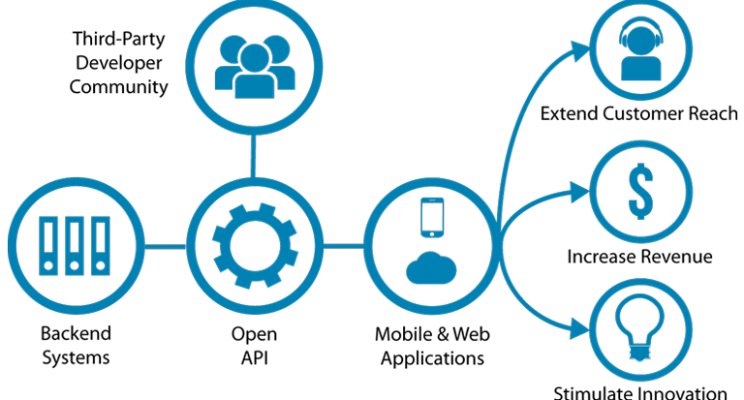
La directive sur les services de paiement (DSP) adoptée le 13 novembre 2007 fournit le cadre juridique nécessaire à la mise en place d’un marché européen unique des paiements en euros (SEPA). Elle vise à instaurer un ensemble complet et détaillé de règles applicables à tous les services de paiement dans l’Union européenne. Son but est de rendre les paiements transfrontaliers plus aisés, efficaces et sûrs que les paiements effectués à l’intérieur d’un État membre. La directive vise à renforcer la concurrence en ouvrant les marchés des paiements aux nouveaux entrants de manière d’en accroître l’efficacité et d’en réduire les coûts.
Lire la suite...